
The other day in class, I was tapping my tush to remind my glutes to turn on. Mandy came over, tapped a different section of the glute, and shouted, “Come on, Steber!” (Mandy and I have a special relationship ;) )
It’s an inside joke we have. To understand it, you need to know a genetically quirky fact about the Steber family (my maiden name): We have no butts. Seriously, we have very flat, almost non-existent gluteuses maximuses (glutei maximi??).

Droopy bottoms on swimsuits are common in my family.
Why am I telling you about my family’s butts? Because years ago Mandy and I set a goal for me to overcome that family trait and, after working on it for many years, I’m pretty proud to say that there’s some junk in my trunk. It’s small, but I have a tush!
I set this goal not for vanity, but because along with the flat butt, I also experience lower back pain. I wrote in the last blog about how flip flop gripping can contribute to lower back pain (among other things). The same is true for weak glutes. So this is really about:
- addressing my chronic lower back pain (though many things contribute to that)
- keeping my balance and stability as I age (the glute max is a main component of pelvis stabilization)
According to a 2019 review, researchers have linked weak gluteus maximus muscles to lower back pain. Weak, underactive, or tight glutes can cause imbalances in the pelvis and hips, and instability in the lower spine. Strengthening these muscles may help prevent this because when the glutes are ineffective at stabilizing the pelvis, the muscles of the lumbar spine may try to take over where they attach at the top of the pelvis. When the low back musculature attempts to stabilize the pelvis (which is not its primary function), this can increase muscle tension and tenderness and may contribute to pain.
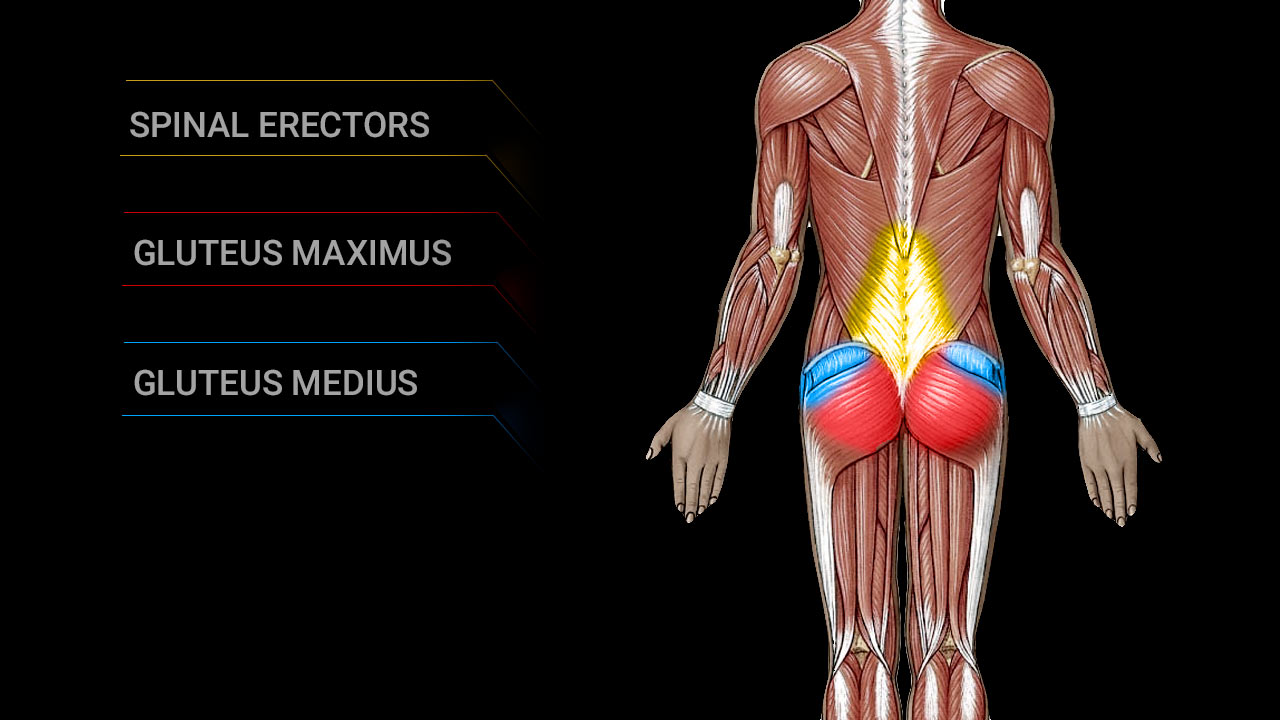
I did say tight glutes can also be a culprit. That means overtraining the muscles or prolonged sitting can lead to tightness in the lower back area. When addressing lower back pain, it’s important to remember that the muscles that support it should be both lengthened and strengthened. People often either excessively stretch or excessively strengthen, but both are necessary in combination. Stretching the muscles after completing a strengthening routine can help prevent muscle soreness and injury. It may also provide additional benefits, such as improving range of motion and flexibility.

Working those glutes!

Doing rocker to release my glutes. This is also great done with the green ball!
I will never be Kim Kardashian (thank goodness!), but thanks to Pilates in Holland I am very happy with where I am. I plan to keep working on keeping my glutes strong to be active and healthy my whole life.
Be well!

